

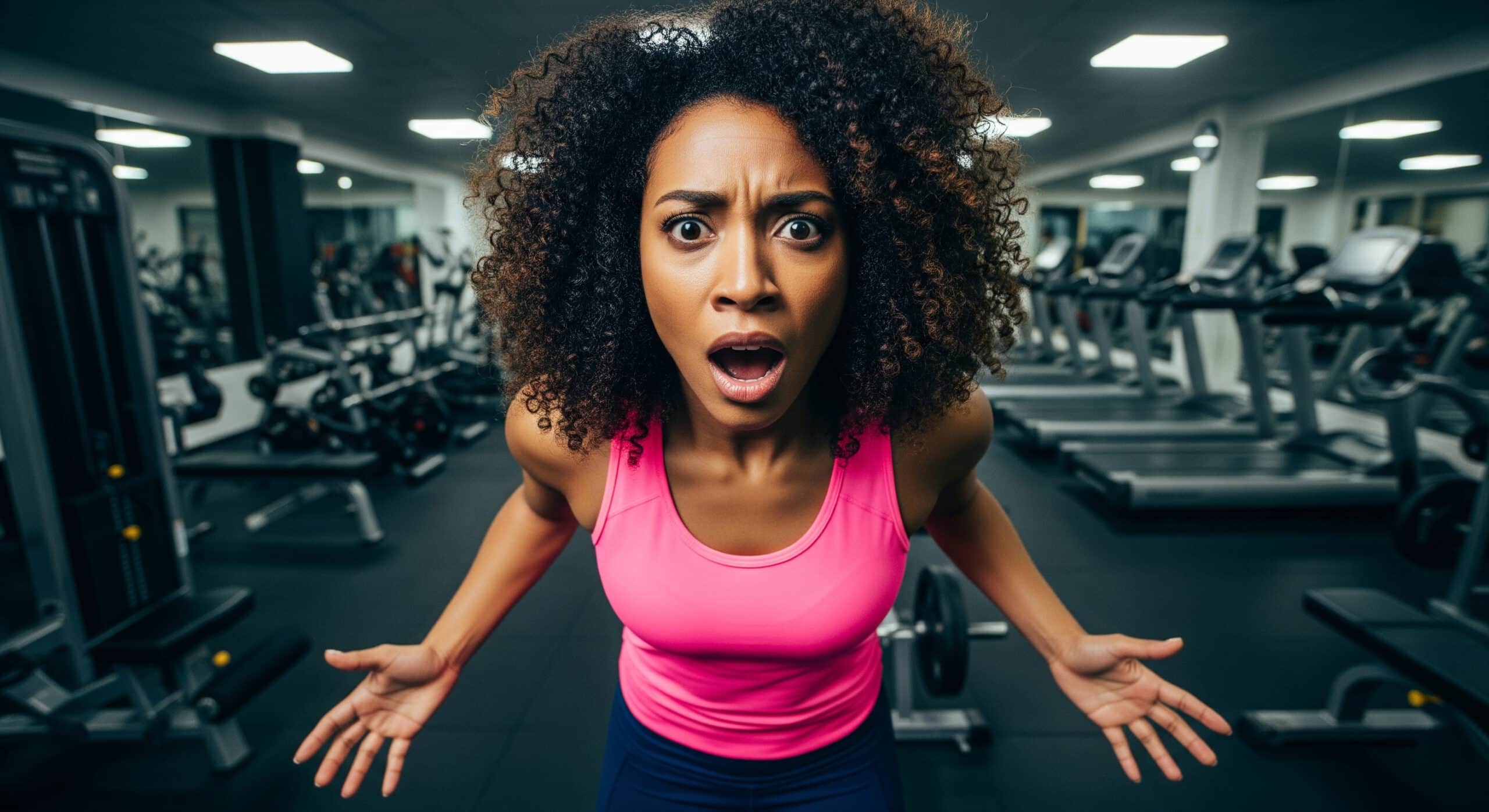
If you’ve ever looked in the mirror and thought, “Why don’t I look like I work out?”—you’re not alone. It’s frustrating when the time and energy you put into training doesn’t seem to reflect in your appearance.
But let’s dig into this a bit deeper. What does “looking like I work out” even mean, and where does that expectation come from?
The truth behind “fitspo” images
Our perception of what a fit or muscular body should look like is shaped by:
-
Social media filters and posing
-
Extreme leanness, which isn’t always healthy or sustainable
-
Genetics and body composition
-
Performance-enhancing drugs (often unspoken but common)
-
Strategic lighting, angles, and camera tricks
So if your progress doesn’t match the aesthetic you’re seeing online, it doesn’t mean you’re doing anything wrong. It means the goalposts were never real to begin with.
Why you and your friend train the same… but look different
Fitness results aren’t one-size-fits-all. Even with similar routines, people respond differently due to:
-
Genetics
-
Hormonal differences
-
Age and training history
-
Body type
-
Past dieting and metabolic adaptation
Visible changes can vary wildly—even if two people lift the same weights and follow the same program.
What real progress actually looks like
Aesthetics are only one piece of the puzzle. Many of the most important changes from training happen beneath the surface. For example:
-
Increased lean mass without dramatic external change — research indicates that a typical increase is about 2–3mm of muscle thickness every 2–3 months, which isn’t immediately visible.
-
Stronger bones, improved insulin sensitivity, better blood biomarkers, enhanced heart health, and overall fitness
-
Improved energy levels, better stress resilience, improved sleep, or enhanced mental health
These physiological and mental shifts are major wins—even if they don’t show up in your next gym selfie.
Track what really matters. Use the free BiaBody Progress Tracker to monitor your non-scale victories like strength, energy, sleep, and mood.
Shift your mindset: train for health, not just looks
Focusing only on what you see in the mirror can make training feel discouraging. But when you shift your mindset to what training gives you—strength, confidence, resilience—you unlock a much more rewarding fitness journey.
This is the approach we take in our 1:1 coaching and training programs: science-backed, results-driven plans that go beyond aesthetics.
Let go of unrealistic standards
So the next time you catch yourself thinking, “I don’t look like I work out,” ask instead:
-
Am I getting stronger?
-
Do I feel more confident?
-
Is my health improving?
You might be making more progress than you realize.
Ready to make training feel better—and more effective?
✔️ Explore our coaching options
✔️ Download your training program
✔️ Track the progress that matters
You deserve to feel proud of your progress—even if it doesn’t look like a fitness influencer’s highlight reel.
Holly T. Baxter is an Australian Dietitian with over 13 years of experience in health and fitness. She holds a degree in Food Science and Nutrition and a Master of Dietetics from Deakin University. A former professional physique athlete, Holly has two World Championship titles. Her latest project, BiaBody, is dedicated to women’s health and fitness. As an APD Dietitian and Online Physique Coach, she focuses on evidence-based health education and empowering women through fitness.